


Perruque Boutique: Your Go-To Destination for Wigs in Fayetteville, NC
Updated: Aug 28

Perruque Boutique began in 2017 with a simple purpose: to give people going through medical journeys a safe, compassionate place to find a cranial prosthesis that helps them feel like themselves again. From the beginning, the boutique has stayed true to that mission. We work with cancer centers through medical vouchers, carry accessories from Headbands of Hope, offer headcovers from Hats, Scarves and More, and partner with six U.S.-based companies that provide high-quality, glueless, ready-to-wear wigs. Every choice we make is guided by one goal: helping customers see their closest-to-normal, beautiful selves in the mirror and regain self-confidence.
The Growing Conversation Around Wigs
Over time, the conversation around wigs has expanded. Today, more people are paying attention to the possible long-term effects of chemicals, environmental exposures, and everyday lifestyle choices. While wigs cannot remove every risk, they can offer a practical way to reduce how often someone relies on harsh hair color, chemical treatments, heat styling, or dramatic cuts that may damage natural hair. In that way, wigs are not only a solution for hair loss; they can also be a proactive option for protecting hair, changing style, and feeling confident without permanent consequences.
The Reality Behind the Need
For many customers, the need for a wig begins with a diagnosis, a treatment plan, or a moment when their reflection suddenly feels unfamiliar. According to the National Cancer Institute (NCI), nearly two out of every five Americans will be diagnosed with cancer at some point in their lives. In 2023, an estimated 18.6 million people were living with some form of cancer. In 2022, 1.9 million people were diagnosed with cancer. The number of new cancer cases has increased every year since 2000, except for four years. The NCI projects there will be more than 2.1 million new cancer cases in 2026 (usafacts.org).
Hair Loss Is More Common Than Many People Realize
Medical hair loss is only part of the story. Thinning hair is exceptionally common, affecting up to 85% of men and 33% of women over their lifetimes. In the United States alone, an estimated 80 million people live with hereditary hair thinning or pattern baldness.
Men: Hair loss occurs earlier and more severely for males. Roughly 66% of men notice thinning by age 35, jumping to 85% by age 50, and reaching up to 80% by age 70.
Women: Thinning in females is typically diffuse (spread evenly across the scalp) rather than a receding hairline. About 12% of women see signs of thinning by age 30, but it spikes significantly to over 50% of women post-menopause (after age 50) due to shifting hormone levels (National Council on Aging).
The causes vary, but the result is often the same: people begin looking for a way to feel comfortable, polished, and recognizable again.
Androgenetic Alopecia (Genetics): This hereditary pattern baldness accounts for over 95% of all permanent hair loss cases in men and the vast majority in women. It is driven by genetic sensitivity to the hormone dihydrotestosterone (DHT).
Telogen Effluvium (Stress & Illness): A form of temporary, widespread hair shedding triggered by sudden physical or emotional shocks (e.g., severe illness, rapid weight loss, childbirth, surgery).
Alopecia Areata (Autoimmune): A condition where the immune system attacks hair follicles, causing patchy hair loss. It impacts roughly 2% of the global population (about 160 million people) at some point in life.
Nutritional Deficiencies: Population-wide deficiencies in iron, protein, vitamin D, and zinc are common lifestyle contributors that weaken hair follicle structures over time (Mayo Clinic).
New Trends Are Adding to the Conversation
Even newer health trends are contributing to the need for hair solutions. From 2021 to 2026, GLP-1 prescriptions increased fourfold, reaching approximately 9,000 patients and up to 8% of all prescriptions. Hair loss during trials was reported in up to 6% of patients (truveda.com).
Across the major reasons people experience hair loss—cancer treatment, genetics, autoimmune conditions, stress, illness, nutritional deficiencies, and medication-related changes—there is not one main area of research showing a clear decline in need. If anything, the reasons people may look for wigs are becoming more visible, more varied, and more relatable.
Wigs: More Than Just a Solution for Hair Loss
The truth is this: wigs are not only for covering hair loss. They are also a smart, flexible, and empowering way to change color, length, and style without regret. Hair color may last six weeks if you are lucky. A haircut can take a year to grow out. Chemical services can be expensive, time-consuming, and damaging over time. With a wig, someone can go blonde on Friday, wear a sleek bob on Saturday, return to their natural look on Monday, and give their own hair a break in between. For the cost of one color appointment, a customer may be able to rotate between their natural hair and a wig for months.
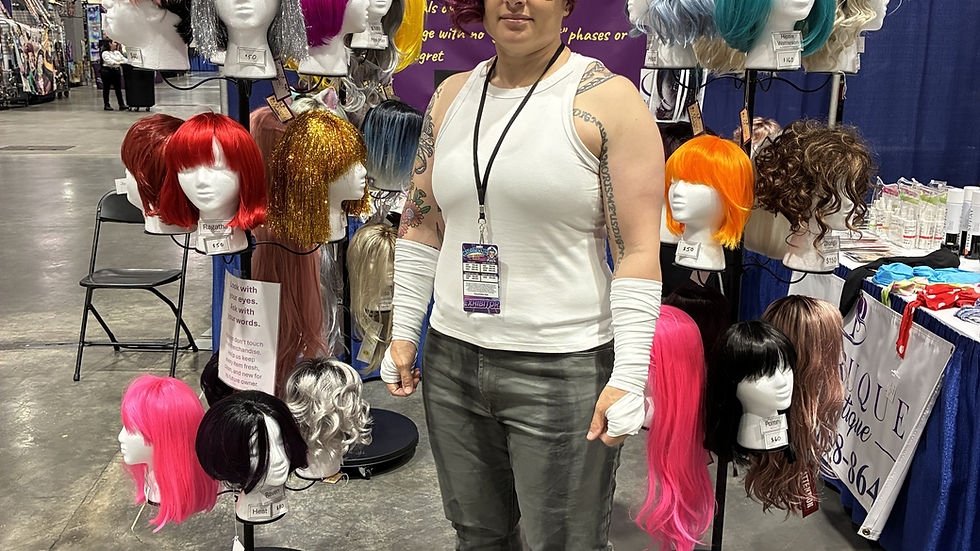
That is why, in 2025, we began attending comic-cons and tattoo conventions. We wanted to expand the boutique’s reach by offering colorful, fun options with the same quality and comfort standards we carry in the boutique. Pop culture has made self-expression more playful than ever. People want color, cut, personality, and the freedom to reinvent themselves without damaging the hair they already have.
Personal Stories: The Impact of Wigs
In July, at a comic-con, one customer walked around the outside of our booth several times before finally coming up to ask questions. At first, she seemed curious about the wigs on display, but the conversation quickly became more personal. She was traveling while going through chemotherapy, and the information she had found online about wigs did not apply to her situation. Instead of helping, it felt confusing, off-putting, and scary. As we talked through the questions I am used to answering inside the boutique, she shared that she was actively losing her hair quickly because of chemo. She needed a solution soon so she could feel less self-conscious while meeting fans, greeting people, and continuing to work.
That moment showed exactly why Perruque Boutique matters in both spaces. In the boutique, wigs can help someone move through treatment with dignity. At conventions, wigs can help someone play, create, perform, and express themselves. Sometimes those worlds overlap in one person standing at a booth, needing both confidence and joy at the same time.
Conclusion: Embrace Your Options
Wigs give people options. They can be medical, fashionable, protective, practical, creative, or all of those at once. They help customers move through hair loss, avoid damage, try a new version of themselves, or simply feel ready for the day. Wearing a wig is not about hiding. It is about choosing how you want to show up.


Comments